How to Choose a Luxury Wedding Photographer
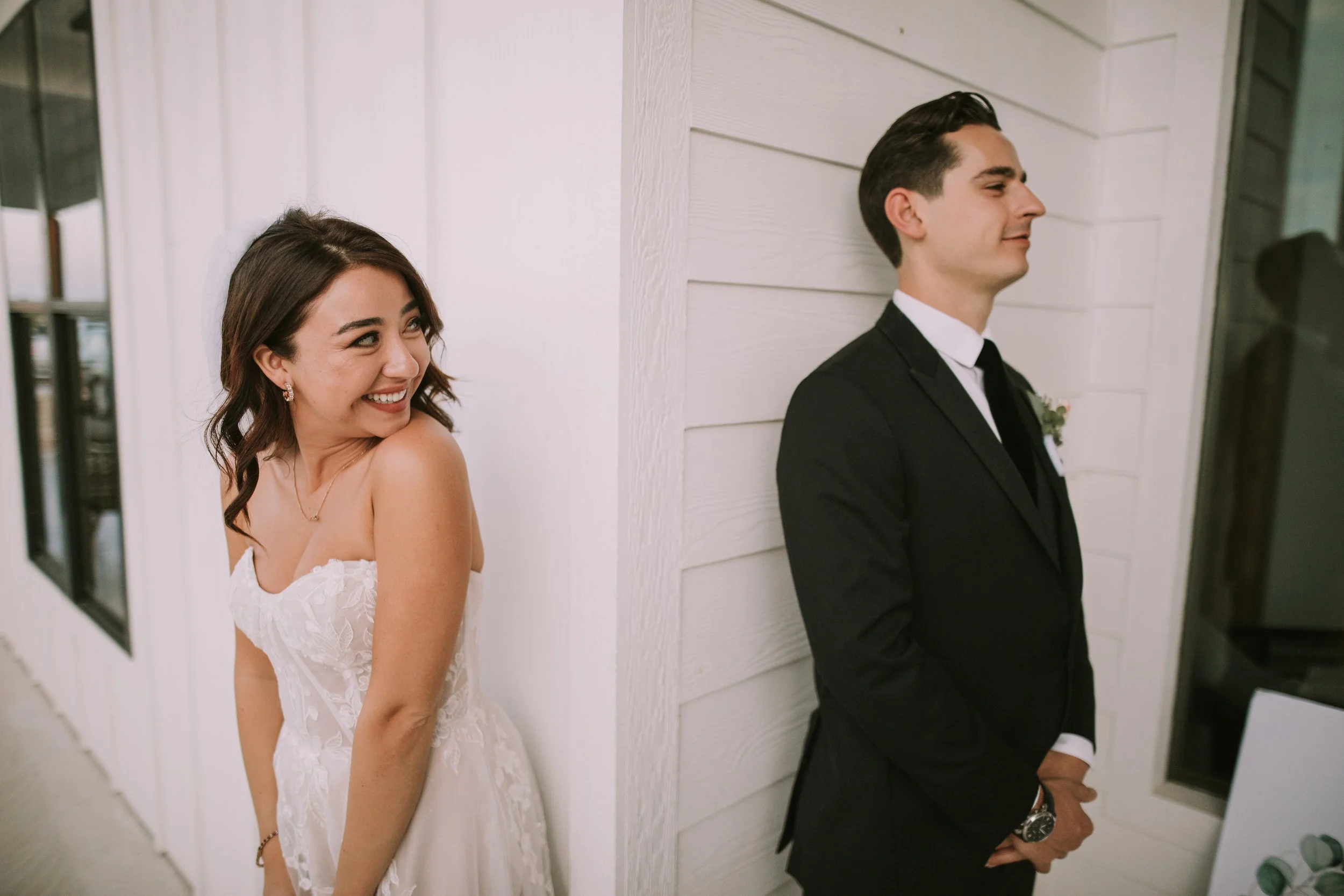
Allie and I sit across from couples every week who are comparing photographers, and most of them are comparing the wrong things. Websites all show good work. Instagram all looks the same. The differences that will matter on your wedding day live in the full galleries, the contracts, and the questions nobody thinks to ask. Here is how we would choose, if we were hiring instead of shooting.
What makes a wedding photographer a luxury photographer?
Luxury is not a price tag. It shows up as consistency: the same editing across a 600 to 1,000 image gallery, involvement in your timeline months before the wedding, insured and redundant equipment, a second photographer, and finished albums. The fee, usually $8,000 and up in major markets, pays for that reliability.
The word gets abused, so it helps to define it against the market. The Knot puts the national average spend on a wedding photographer at roughly $2,900. At that level you are usually hiring one person, one camera bag, and a highlight-driven edit. The luxury tier, which in Austin and most major cities starts between $6,000 and $10,000, is buying a different product:
| What you’re evaluating | Typical | Luxury standard |
|---|---|---|
| Editing | Best frames polished, rest rushed | Frame 700 matches frame 7 |
| Planning | Shows up with a shot list | Builds your timeline with you, 6 to 8 weeks out |
| Coverage | One shooter | Lead plus second photographer on most weddings |
| Equipment | One body, single card slot | Two bodies minimum, dual card slots, full backups |
| Insurance | Maybe | $1M to $2M liability, certificate sent to your venue |
| Albums | Optional add-on, DIY design | Designed proofs, archival materials, made to be inherited |
| Delivery | Whenever it’s done | Stated timelines in writing, previews in days |
None of these line items is glamorous. Together they are the difference between a vendor and a studio you can hand your only wedding day to.
Why should you review full galleries instead of a portfolio?
Because a portfolio is a photographer’s best 30 to 50 frames, curated from years of work, and you are buying the other 950. Ask for two or three complete galleries from real weddings, ideally in lighting like yours. Consistency deep into a gallery is the single most reliable predictor of what you will receive.
Every working photographer has 40 great images. The question is what the file numbered 643 looks like. When you review a full gallery, and any serious studio will hand you several without hesitation, look at four specific things:
- Skin tones across lighting changes. Noon sun, shaded portraits, tungsten reception. The tones should feel like one person edited one wedding, not three people editing three.
- The reception. Dark rooms and DJ lighting are where technical skill shows. If reception frames look muddy or the flash looks harsh, that is what your dance floor will look like.
- Family formals. Unfashionable, essential. Check that groups are sharp, evenly lit, and nobody is blinking in the keeper. This is craft, not luck.
- The boring middle. Cocktail hour, toasts, the 4 p.m. lull. Great studios stay hungry through the unglamorous hours. Weak ones visibly coast.
Also count. If a photographer delivers 400 images from an 8 hour day and another delivers 800, that is not automatically better or worse, but the number should be stated in the contract, not discovered after.
How involved should your photographer be in planning?
A luxury photographer helps build your day, not just record it. Expect a timeline session 6 to 8 weeks out, a portrait plan built around actual sunset time, honest opinions on your schedule, and a walkthrough of family groupings. If a photographer only appears the morning of the wedding, the photographs will show it.
Light is a schedule problem before it is a camera problem. The best 45 minutes of light on your wedding day are the 45 minutes before sunset, and whether you are free during them is decided in a planning call weeks earlier, not on the day. This is the quiet reason experienced studios cost more: the timeline work happens before a single frame is made.
Here is what planning involvement looks like in practice, using our weddings as the example because it is the process I can vouch for:
- A timeline call 6 to 8 weeks before the wedding, where we place ceremony, portraits, and reception events against real sunset data for your date.
- 20 to 30 minutes reserved for just the two of you, scheduled where the light is, with buffer built in because weddings run 15 minutes behind by mid-afternoon.
- A family formals list finalized in advance, so 10 groupings take 20 minutes instead of 45.
- Direct coordination with your planner and venue, so nobody is negotiating logistics on the day.
A photographer who resists this level of involvement is not necessarily bad. But they are handing schedule risk back to you, and schedule risk is the thing that actually ruins wedding photos.
What should you ask about equipment, backups, and insurance?
Ask four questions: Do you shoot two camera bodies with dual card slots? How many copies of my images exist within 72 hours? Do you carry liability insurance my venue can verify? Is a second photographer included? A professional answers all four instantly. Hesitation on any of them is your answer.
This is the least romantic part of the decision and the most important. Wedding images cannot be reshot, so the professional standard is redundancy at every layer:
- Dual card slots, writing every frame to two cards simultaneously as it is taken. Card failure is rare. It is not rare enough.
- Two camera bodies minimum on site, so a dropped or failed camera costs two minutes, not the ceremony.
- Three copies of your images within 72 hours of the wedding, on separate drives, with one offsite. Ask the photographer to describe their actual backup chain. A real one takes 30 seconds to explain.
- Liability insurance, typically $1 million to $2 million. Most venues require a certificate before a vendor can load in. Professional associations like the Professional Photographers of America exist in large part around equipment insurance and business standards; membership is not proof of talent, but the insurance question is table stakes.
- A second photographer on weddings above roughly 100 to 150 guests. One camera cannot cover two getting-ready suites, and one angle cannot cover a processional.
We wrote a fuller list in 27 questions to ask your wedding photographer, and I would bring it, or something like it, to every consultation you take.
Do albums and delivery standards matter?
Yes, because they are where a luxury studio’s work actually ends up. Ask for stated delivery timelines in writing: previews within a few days, the full gallery in 6 to 10 weeks. Ask to hold a physical album at your consultation. Hard drives fail and platforms shut down. Printed work survives.
Delivery discipline is a character reference. A studio that tells you “sneak peeks within 72 hours, full gallery in 8 weeks” and puts it in the contract is a studio that manages its workload honestly. Vague answers about delivery are the most common complaint in wedding photography disputes, and they are entirely avoidable with one contract clause.
Albums separate the tiers even more clearly. At the luxury level you should expect designed proofs you approve spread by spread, archival papers and binding, and a book built to be handed to your kids, not a drag-and-drop template you assemble yourself at midnight. Whether you buy the album now or later matters less than whether the studio treats printed work as the finished product. Ours do, and the difference in how couples experience their photographs a year later is not subtle.
What are the red flags?
The big ones: no full galleries offered, no insurance certificate, one camera body, no contract or a vague one, no stated delivery timeline, heavy discounting under pressure, and portfolio images that all come from styled shoots rather than real weddings. Any single flag deserves a follow-up question. Two or more, walk.
Expanded, here is the list I would screen against:
- Reluctance to share full galleries. There is no good reason. The work either holds up at frame 600 or it does not.
- No proof of insurance. If your venue asks and the photographer cannot produce a certificate, you may be shopping for a replacement 30 days out.
- Single camera, single card slot. One point of failure holding your entire wedding.
- A thin or missing contract. The contract should state hours, deliverables, delivery timeline, backup policy, and what happens if the photographer is ill. Ours runs several pages because those pages protect you.
- Styled shoots dressed up as weddings. Editorial shoots with models, unlimited time, and perfect light are not evidence anyone can handle a running-late ceremony in a dark church.
- Pressure tactics. Expiring discounts and same-day-only pricing are sales mechanics, not how studios with 15 to 20 bookings a year operate.
- Nobody you can name. If you cannot tell who will actually photograph your wedding, you are booking a brand’s calendar, not a photographer.
How do you compare your final two or three photographers?
Get on a call with each. You are testing two things: whether the work holds up across full galleries, and whether you want this person next to you for 8 hours on the most emotionally loaded day of your life. Skill gets a photographer onto your shortlist. Trust should pick the winner.
By this stage, price differences of $1,000 or $2,000 matter less than fit. A structured comparison, in order:
- Request one full gallery from each, shot in conditions like yours (venue type, season, indoor or outdoor ceremony).
- Review each gallery past frame 400 before you look at anyone’s Instagram again.
- Take a 30 minute call with each photographer. Notice who asks about your day and who recites their packages.
- Ask all four equipment and insurance questions from above.
- Read each contract, specifically delivery timeline, backup policy, and illness contingency.
- Compare what is actually included at each price: hours, second photographer, album, travel.
- Then choose the person, not the portfolio. On the day, the portfolio does not hold your bouquet or fix your boutonniere. The person does.
One last honest note. We are a working studio, so we have a position here: this is the standard we hold our own weddings to, and you can judge the claim against the work itself. Whoever you choose, make them show you the whole gallery, the certificate, and the contract. The photographers worth $8,000 will be glad you asked.
If your date is one we might be a fit for, check your date and we will tell you honestly either way.
Questions couples ask
How many full galleries should I ask to see?
Two or three, each matched to your situation: one dark indoor reception, one outdoor ceremony, one complete day from getting ready through the exit. A portfolio shows a photographer's best 30 to 50 frames. The full gallery shows the 600 to 1,000 images you will actually live with.
Does a luxury wedding photographer need insurance?
Yes. Most venues require a certificate of liability, typically $1 million to $2 million in coverage, before any vendor works on site. Ask for the certificate itself, not a verbal yes. An established studio sends it to your venue without being asked.
Is a second photographer necessary?
Above roughly 100 to 150 guests, yes. One camera cannot be in the getting-ready suite and at the venue reveal at the same time. A second photographer also covers the processional from a second angle and your guests during cocktail hour while portraits happen.
How far in advance should we book a luxury wedding photographer?
For peak Saturday dates, 12 to 16 months out. Studios that limit their calendar to 15 or 20 weddings a year fill October, November, April, and May first. Off-peak and weekday dates often remain open 6 to 9 months out.
What does a luxury wedding photographer cost?
In most major U.S. markets, established studios start between $6,000 and $10,000. Our collections begin at $8,000, and most couples invest between $9,000 and $14,000 once albums and additional coverage are included. The national average across all photographers is closer to $2,900.