How to Elope in the Texas Hill Country
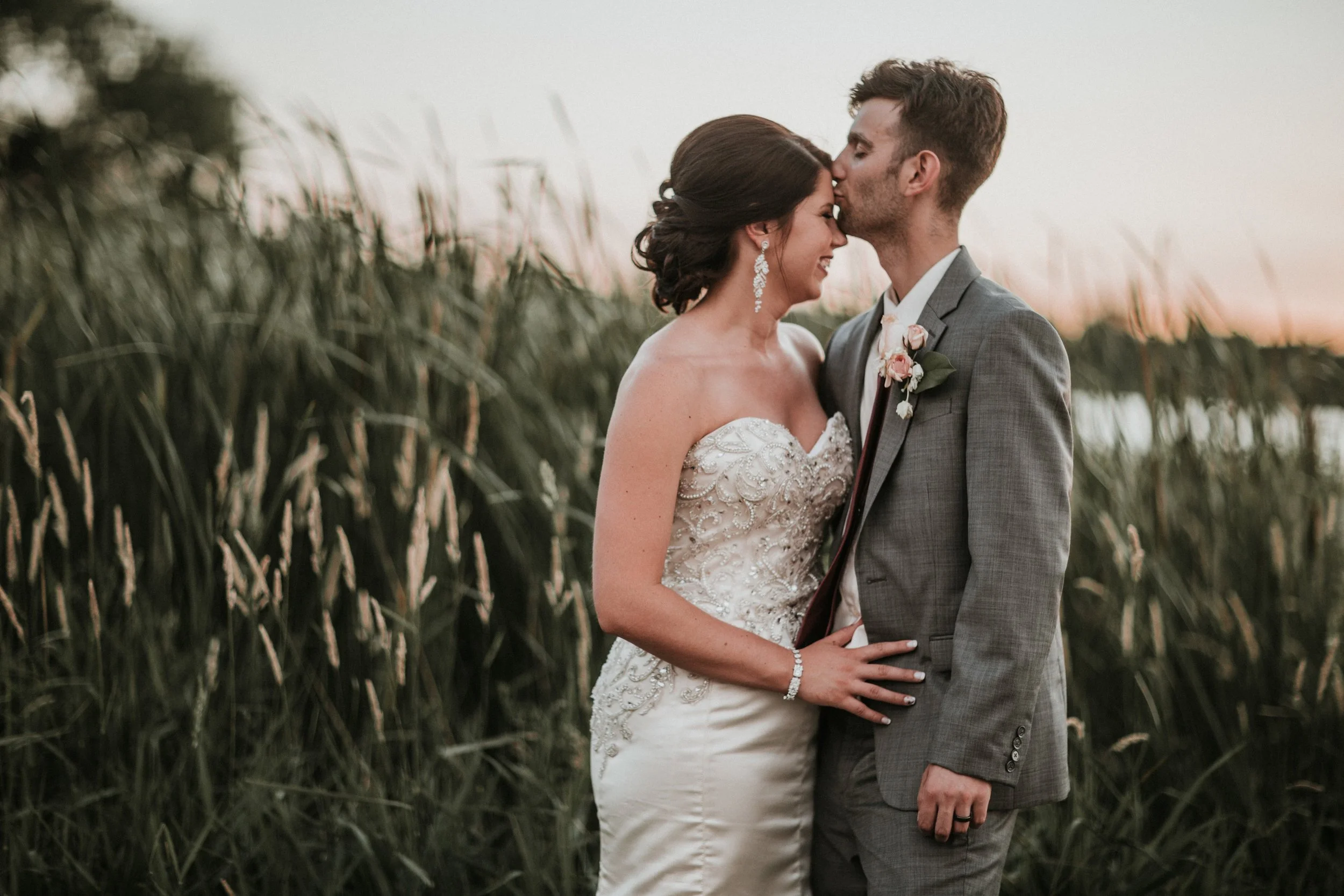
Allie and I live in Austin and photograph elopements across the Hill Country, from cypress creeks in Wimberley to the granite at Enchanted Rock. The legal part of eloping in Texas is genuinely simple: one office visit, one 72-hour wait, one signature. The planning part rewards a little homework. This guide covers all of it, in order: the license, the officiant, the places, a sample day, and what it actually costs.
How do you legally elope in Texas?
Both of you appear at any Texas county clerk’s office with a government ID, pay $70 to $85, and walk out with your marriage license the same day. Wait 72 hours, hold a ceremony with a qualified officiant anywhere in Texas within 90 days, and the officiant returns the signed license within 30 days.
Here is the full sequence:
- Pick any county clerk. The license is valid statewide, so you do not have to apply where you marry. Applying in Austin for a Fredericksburg ceremony is fine.
- Both appear in person with ID. A driver’s license or passport works. Both of you must be 18 or older; 16 and 17 year olds need a court order.
- Pay the fee. Most Hill Country counties charge between $70 and $85. Travis County charges $81. No blood test, no residency requirement, no witnesses required, ever.
- Wait 72 hours. The ceremony cannot legally happen within 72 hours of issuance. The waivers are covered in the next section.
- Marry within 90 days. The license expires if unused after 90 days, so do not apply six months out.
- Return the license. Your officiant records the date and county on the license and sends it back to the issuing clerk within 30 days. You will receive the certified copy by mail.
The governing law is Chapter 2 of the Texas Family Code, and it is short enough to read over coffee. Out-of-state and international couples can use all of this exactly as written. Texas does not care where you live, which is why couples fly in from both coasts to marry here. If you are coming from farther than Texas, our destination page explains how we handle travel.
What is the 72-hour rule, and can you skip it?
Texas blocks the ceremony for 72 hours after the license is issued. There are three exits: active-duty military members are exempt, a judge can waive the wait in writing, or you complete the state’s free Twogether in Texas premarital course, which removes the wait and cuts $60 off the license fee.
The course route is the practical one for most couples. Twogether in Texas is a state-run premarital education program, roughly 8 hours of coursework, offered free through approved providers, including online options. Finish it within a year before you apply, bring the certificate to the clerk, and the 72-hour wait disappears along with $60 of the fee. A $81 license drops to $21.
If you skip the course, the wait is rarely a real obstacle. Apply on a Tuesday and you can marry Friday evening. The couples it actually catches are the ones who decide on a Thursday to elope that weekend. If that is you, the course can still be finished online in a day or two, faster than most judges will schedule a waiver.
Who can marry you in Texas?
Texas authorizes licensed or ordained clergy, officers of religious organizations, and current or retired judges to conduct ceremonies. A friend ordained online qualifies in practice. Texas does not allow self-solemnization the way Colorado does, so you need one officiant. Witnesses: zero required. The legal minimum is three people on the hillside.
That third person can be a professional officiant, and in the Austin area that runs roughly $300 to $800 for a short ceremony. Or it can be your best friend, ordained online in about 15 minutes at no meaningful cost. We have photographed both versions and the friend version tends to produce the better ceremony, because the person telling your story has known you for a decade. Whoever it is, their single hard obligation is mailing the signed license back to the clerk within 30 days.
Where are the best places to elope in the Texas Hill Country?
Start with Wimberley, Dripping Springs, and Fredericksburg. All three sit 30 to 90 minutes from Austin and hold cypress creeks, a free cliffside chapel, limestone river canyons, and a pink granite dome. State parks fill the gaps: reserve day passes online and clear any ceremony plans with the park office before you commit.
| Spot | Near | Drive from Austin | Why it works |
|---|---|---|---|
| Blue Hole Regional Park | Wimberley | 45 min | Cypress-lined swimming hole; summer swim slots take reservations |
| Old Baldy | Wimberley | 45 min | 218 steps up to a full view of the Wimberley valley |
| Chapel Dulcinea | Driftwood | 35 min | Free-to-book open-air chapel on a cliff above Onion Creek |
| Hamilton Pool Preserve | Dripping Springs | 45 min | Collapsed grotto and waterfall; day-use reservations required |
| Pedernales Falls State Park | Johnson City | 55 min | Tiered limestone river flats, wide sky |
| Enchanted Rock | Fredericksburg | 1 hr 45 min | Pink granite dome rising 425 feet; summit at 1,825 feet |
| Lost Maples | Vanderpool | 2 hr 30 min | The Hill Country’s only real fall color, late October to mid November |
A few notes from having actually worked these places. Chapel Dulcinea is free to book, the slots are short, and weekends go months out, so weekday evenings are the play. Hamilton Pool releases day-use reservations well ahead and weekend slots disappear early; go for the grotto and the portraits, and call Travis County Parks before planning anything formal there. Enchanted Rock now runs timed day passes that sell out most weekends, and every Texas state park asks you to arrange a ceremony with the park office in advance. Day-use entry at these parks runs $6 to $8 per adult, and everything books through Texas Parks and Wildlife.
The quiet alternative to all of it: a Hill Country rental house. Many sit on 10 to 50 acres of oak pasture with their own hilltop views, and a host who says yes in writing gives you a ceremony site, getting-ready rooms, and the dinner table in one booking. About half the elopements we photograph now anchor on a rental, with one park or creek stop for portraits.
Do you need a permit to elope on public land?
Usually yes, and it is cheap and easy, so just ask. Texas state parks want a call to the park office and sometimes a special use permit for a ceremony, on top of the $6 to $8 day-use entry. City and county parks like Blue Hole and Hamilton Pool have their own offices and their own answers. Private land needs the owner’s yes in writing.
The pattern we have seen across dozens of these calls: a two-person ceremony with no chairs, no arch, and no amplified anything is welcome almost everywhere, often with nothing beyond the day pass. The moment you add setup, a permit conversation starts, and the fee is usually modest, commonly $100 to $250 for a small ceremony where one is required at all. What actually gets couples in trouble is skipping the call, showing up with 20 folding chairs, and meeting a ranger mid-vows.
Two practical rules. First, make the call at least 30 days out, because the person who can say yes is not always at the desk. Second, get the answer in writing, even a two-line email. We keep copies of every permission for the elopements we photograph, and in eight years nobody with a paper trail has ever been asked to move.
What does a Hill Country elopement day actually look like?
Unhurried. That is the whole point and the whole design principle. We build the day backward from sunset, keep the ceremony short, and leave the last 60 minutes of light entirely for the two of you. Here is a real shape for a late-October Saturday near Wimberley, sunset at 6:45pm.
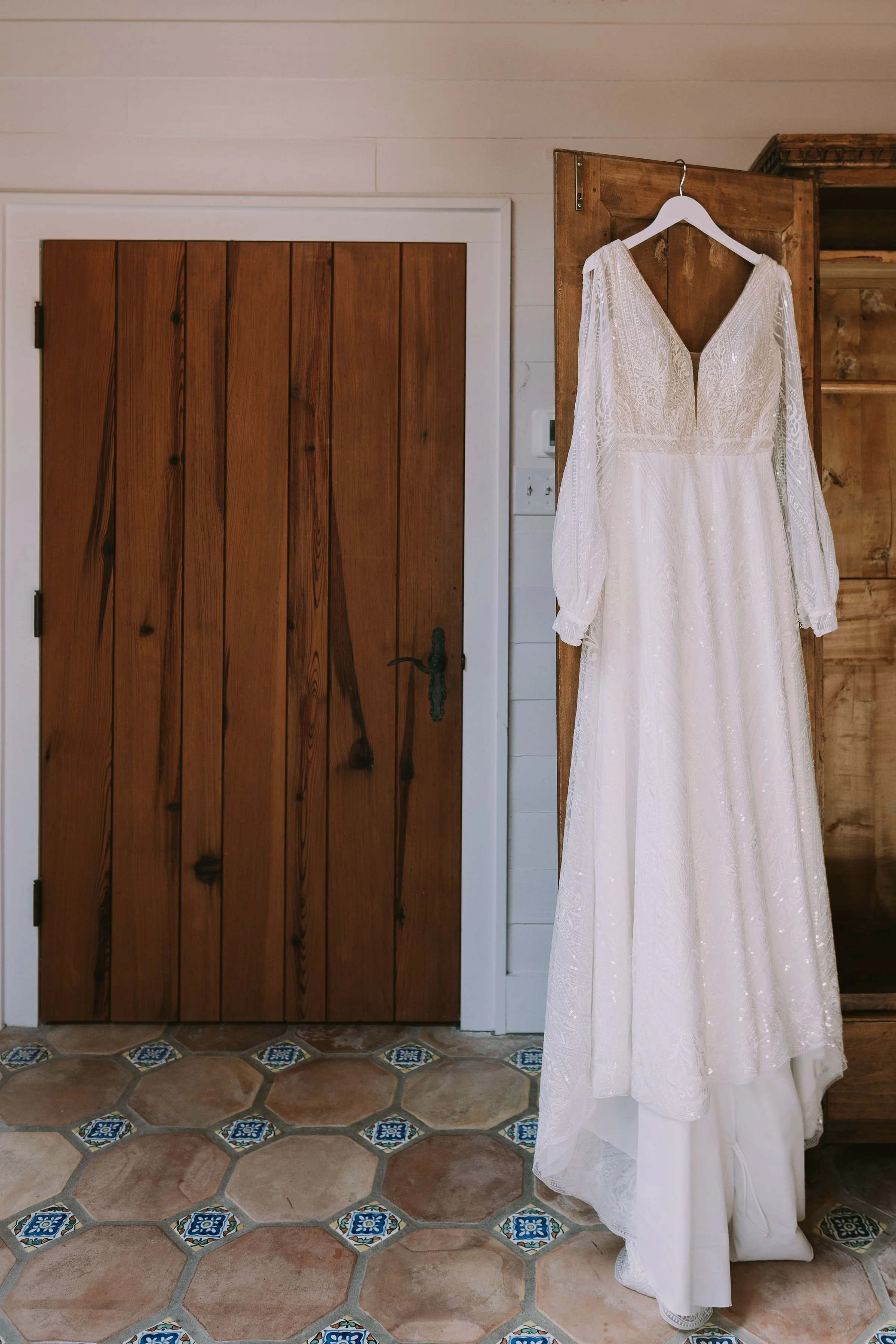
- 2:00pm. Hair and makeup finish at the rental house. Allie photographs the gown, the rings, the letters, the room.
- 3:15pm. First look under the oaks behind the house. Fifteen quiet minutes before anything official.
- 4:00pm. Ceremony on the hilltop. Most elopement ceremonies we photograph run 15 to 25 minutes, vows included.
- 4:30pm. Champagne, the license signing, and hugs if you brought a handful of people.
- 5:00pm. Drive to the portrait spot. We keep this under 25 minutes on purpose.
- 5:30pm to 6:45pm. Portraits through golden hour, ending at sunset. This is the stretch the whole day protects.
- 7:30pm. Dinner reservation. Wimberley and Dripping Springs both have tables worth ending a marriage’s first day at.
Notice what is missing: no cocktail hour to host, no 10 groupings of family formals, no reception timeline. That is why 4 to 6 hours of coverage handles nearly every elopement, where a full wedding needs 8. The same backward-from-sunset logic drives our full wedding day timeline guide if you want to see how the big version compares.
How much does it cost to elope in the Texas Hill Country?
The legal minimum is under $200: a license and an ordained friend. A real day, with photography, a rental house, flowers, hair and makeup, and a good dinner, typically lands between $5,000 and $12,000 all-in. Most of the elopements we photograph sit in that range, roughly a third of what a full Austin wedding runs.
| Line item | Typical range |
|---|---|
| Marriage license | $70 to $85 ($60 less with the Twogether course) |
| Officiant | $0 (ordained friend) to $800 (professional) |
| Photography | From $2,500 with us |
| Hair and makeup | $200 to $450 |
| Bouquet and boutonniere | $150 to $350 |
| Hill Country rental house | $250 to $600 per night |
| Dinner for two to ten | $150 to $700 |
Our elopement coverage begins at $2,500 and includes a planning call, a location shortlist with sunset times for your date, a timeline built backward from the light, and the full edited gallery. Longer days and travel add from there; the complete numbers, including where full wedding collections start, are on our pricing page. We photograph a limited number of elopements each year so that none of them feel processed.
When should you elope in the Hill Country?
October and November first, then March through May. Both windows bring 70-degree afternoons and clean evening light. Late March through mid April adds bluebonnets along the roadsides. July and August regularly clear 100 degrees, so a summer elopement should start within two hours of sunset and stay near water.
Sunset itself moves more than people expect: about 8:35pm in late June and about 5:30pm in early December. A winter elopement is a compact afternoon; a June one is an evening. Neither is wrong, but the date decides the shape of the day, which is why the timeline comes after the date and the place, never before. Fall Saturdays book heaviest, and Lost Maples in the first two weeks of November is the single most requested window we see.
How do you actually start?
Pick a month, pick a place, and hold both loosely until the license logistics are set. Then send us the date. We will tell you honestly whether we are free, what the light is doing that week, and which spots fit the picture in your head. The elopements page covers what our coverage includes, and the inquiry takes about two minutes.
Check your date and we will reply within 48 hours.
Questions couples ask
How long does it take to legally elope in Texas?
Three days at minimum. The license is issued the same day you apply, and Texas requires 72 hours between issuance and ceremony. Active-duty military skip the wait, a judge can waive it in writing, and the free Twogether in Texas course removes it entirely. Most couples plan two to four weeks out.
How much does a Texas marriage license cost?
Between $70 and $85 in most Hill Country counties, paid when both of you apply in person at any county clerk's office. Completing the free Twogether in Texas premarital course cuts $60 off the fee and waives the 72-hour waiting period at the same time.
Do you need witnesses to get married in Texas?
No. Texas requires no witnesses at all. The legal minimum is the two of you and one qualified officiant. That is why a true two-person elopement works here: nobody else has to know until the signed license is back at the clerk's office.
Can a friend officiate a Texas elopement?
Yes. Texas authorizes licensed or ordained clergy and current or retired judges to conduct ceremonies, and online ordination is accepted in practice. A friend who gets ordained can marry you, then must return the signed license to the issuing county clerk within 30 days of the ceremony.
Where should you elope in the Texas Hill Country?
Wimberley, Dripping Springs, and Fredericksburg cover most couples. Between them you get cypress-lined creeks, the free cliffside Chapel Dulcinea in Driftwood, and the pink granite dome at Enchanted Rock. All sit 30 to 90 minutes from Austin, so one rental house can anchor the whole weekend.
What is the best month to elope in the Hill Country?
October and November, then March through May. Both windows bring mild afternoons and clean evening light, and late March through mid April adds bluebonnets. July and August regularly top 100 degrees, so if you must marry in summer, plan the ceremony within two hours of sunset.